
How Smart Home Upgrades Are Changing the Job of the Modern Electrician
The rise of smart home technology has dramatically transformed the way we live, offering more convenience, energy efficiency, and control over our home environments. From smart thermostats to lighting systems that adjust based on your preferences, these upgrades are becoming increasingly popular.
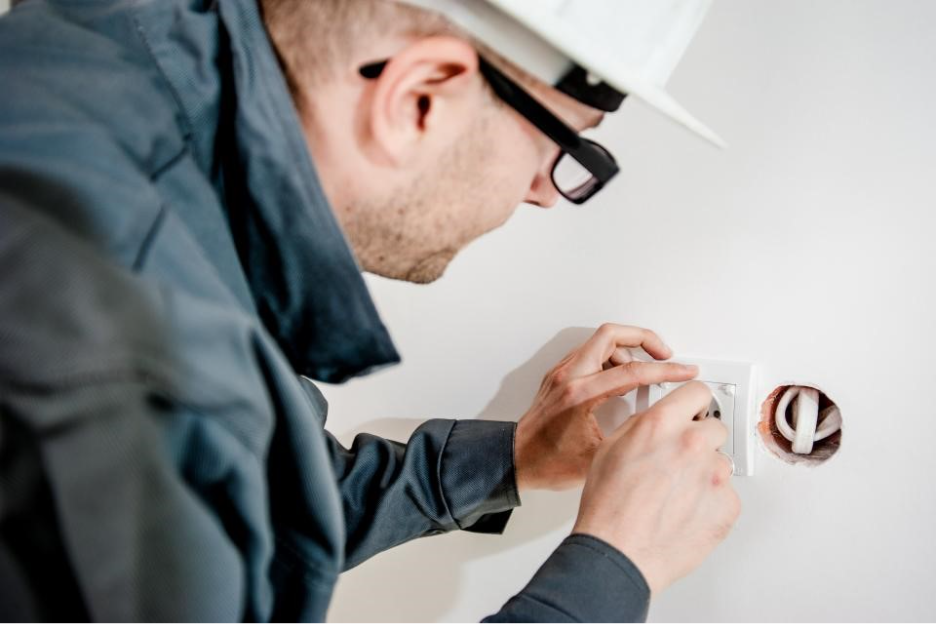
How Smart Upgrades Affect the Job of an Electrician
This article will explore how smart home upgrades are changing the job of the modern electrician Charleston SC.
1. The Growing Demand for Smart Home Devices
Smart home devices have gained immense popularity in recent years. Homeowners are seeking out technologies that offer convenience and energy savings. Smart devices allow homeowners to control their heating, lighting, security systems, and appliances remotely via smartphones or voice commands. Some common smart home devices include:
- Smart thermostats (e.g., Nest, Ecobee)
- Smart lighting systems (e.g., Philips Hue, LIFX)
- Voice-controlled assistants (e.g., Amazon Alexa, Google Assistant)
- Smart locks and security cameras
- Smart appliances (e.g., refrigerators, washing machines)
As more homeowners make the shift to smart devices, the need for electricians who can install and integrate these systems has skyrocketed. Smart home upgrades require more than just plugging in a device—they often require rewiring, setting up complex networks, and integrating new systems into existing electrical setups.
2. Wiring for Smart Home Systems: New Challenges for Electricians
One of the biggest ways that smart home upgrades are changing the job of electricians is the need for proper wiring and electrical systems to support these devices. Many smart home devices, especially those that operate on Wi-Fi or Bluetooth, require specific wiring configurations and strong network connections to function properly.
Electricians must now have a solid understanding of:
- Low-voltage wiring: Many smart home devices operate on low-voltage systems, meaning that electricians must be comfortable working with different wiring setups than what they might encounter in traditional electrical systems.
- Network wiring: Smart home systems rely on robust internet and network connections. Electricians are increasingly tasked with ensuring that homes are properly wired for Wi-Fi routers, network hubs, and even power over Ethernet (PoE) for devices like cameras and sensors.
- Home automation systems: Some smart home systems require a central hub or home automation system that controls multiple devices. Electricians are responsible for installing and configuring these systems, ensuring that they are properly connected to the home’s power supply and networks.
As more smart home technologies emerge, electricians will need to stay up-to-date with the latest trends and techniques for integrating these devices seamlessly into homes.
3. Safety Considerations with Smart Home Installations
Smart home devices, while offering convenience and efficiency, also introduce unique safety challenges. Many of these systems connect to the internet, which creates the potential for security breaches and hacking. Electricians must be aware of these risks and take steps to protect homeowners.
Some key safety considerations include:
- Securing networks: Electricians must ensure that smart home devices are properly integrated with secure networks. This includes setting up strong passwords, enabling two-factor authentication, and configuring firewalls to prevent unauthorized access.
- Up-to-date software and firmware: Many smart home devices require regular updates to protect against vulnerabilities. Electricians may need to advise homeowners on keeping their devices’ software and firmware up to date.
- Electrical overloads: Some smart home devices consume more power than traditional ones. Electricians must ensure that the electrical system is capable of handling these increased loads, preventing potential overloads and electrical hazards.
By understanding these security and safety risks, electricians can help ensure that smart home systems operate safely and securely.
Conclusion: How Smart Upgrades Affect the Job of an Electrician
The rise of smart home technology is transforming the electrical industry, with electricians playing a crucial role in making homes more connected, efficient, and secure. By embracing these changes and continuing their education, electricians will remain essential in helping homeowners navigate the world of smart technology while ensuring that installations are safe, efficient, and future-proof.
Recent Comments