
How to Handle an Electrical Emergency at Home Before the Electrician Arrives
Electrical emergencies are among the most stressful situations a property owner can face. The combination of invisible danger, unfamiliar systems, and the pressure of a rapidly developing situation makes it easy to either overreact in ways that create new problems or underreact in ways that allow a manageable situation to escalate into a serious one.
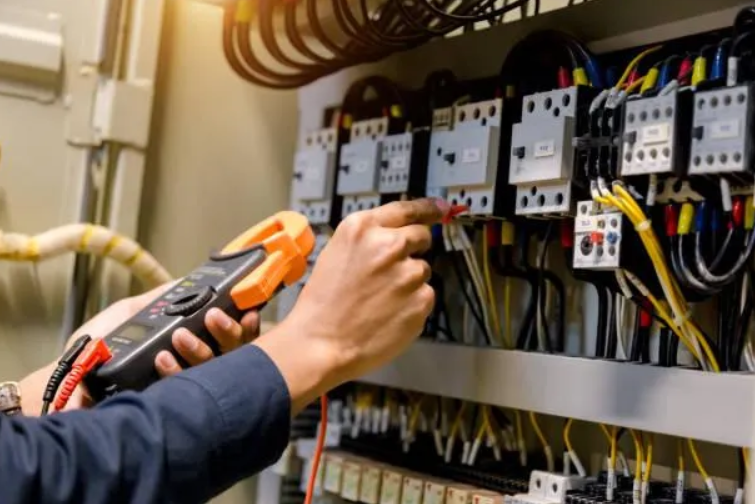
Knowing What to Do Buys You Valuable Time
The minutes between recognizing an electrical emergency and the arrival of professional help are where the decisions you make matter most. Staying calm, acting on the right information, and knowing exactly who to call makes that interval far safer and more manageable than it would otherwise be. When every second counts, emergency electrician Charleston SC professionals respond quickly and arrive equipped to handle whatever situation they find.
The First Step in Any Electrical Emergency Is Cutting the Power
Regardless of what type of electrical emergency you are facing, removing power from the affected area is almost always the right first move. Locating your electrical panel and switching off the breaker for the affected circuit, or shutting off the main breaker if the situation warrants it, eliminates the energy source driving the problem and creates a safer environment for everyone in the property until professional help arrives.
Electrical Fires Require a Specific and Deliberate Response
An electrical fire is fundamentally different from other types of fires and demands a response that accounts for that difference. Water conducts electricity and must never be used on an electrical fire under any circumstances. A Class C fire extinguisher, rated specifically for electrical fires, is the appropriate tool for a small and contained electrical fire. If the fire is not immediately controllable with the right extinguisher, evacuating the property and calling emergency services is the only appropriate course of action.
Downed Power Lines Demand Distance and Nothing Else
If a storm or vehicle collision brings a power line down on or near your property, the response is straightforward and non-negotiable. Stay as far away from the line as possible, keep others away from the area, and contact your utility company and emergency services immediately. A downed power line energizes the ground around it in ways that are invisible and lethal, making the impulse to approach or assist someone near a downed line one of the most dangerous mistakes a bystander can make.
Burning Smells and Sparks Without an Obvious Source Are Emergencies
Not every electrical emergency announces itself with flames or a tripped breaker. A persistent burning smell, the odor of melting plastic, visible sparks from an outlet or panel, or the sound of buzzing or arcing inside a wall are all indicators of an active electrical problem that requires immediate professional attention. These signs point to conditions that can ignite surrounding materials without further warning.
What to Tell the Electrician When You Call
The information you provide when calling an emergency electrician directly affects how quickly and effectively they can respond. Describing what you observed, where in the property it occurred, what you have already done such as shutting off a breaker, and whether there are any ongoing concerns like smoke or heat in a wall gives the responding professional the context they need to arrive prepared.
Conclusion: Knowing What to Do Buys You Valuable Time
To bring everything together, the way you respond to an electrical emergency in the moments before professional help arrives shapes the outcome in ways that matter enormously. Cutting power, responding correctly to electrical fires, maintaining distance from downed lines, and taking burning smells and sparks seriously are the actions that keep a dangerous situation from becoming a catastrophic one.

Recent Comments